PRIMETIME— Breaking the Screen
How do you make a CG room become the entrance to a fast-paced edit? I wanted the television to feel like a physical object before its broadcast took over the frame. I developed this independent, unofficial promotional concept before Primetime reached theaters, working with the film’s publicly available trailer footage alongside archival To Catch a Predator material. Without access to the completed feature, I had to find the edit’s rhythm within limited footage and build a CG living room and CRT transition around it.
Building the room
I started with a visual reference to work out the framing, then blocked out the room and furniture in Blender. From there, I built the room and assembled the scene with sourced furniture, props, and textures instead of modeling every object from scratch.
The work was in the relationships: foreground silhouettes, furniture spacing, set dressing and the television’s place in the room. Materials and lighting made those decisions feel lived-in. Warm hallway spill balanced the CRT’s colder light, while controlled darkness and reflections kept attention on the screen. The room needed to establish a believable world, not become a second spectacle.
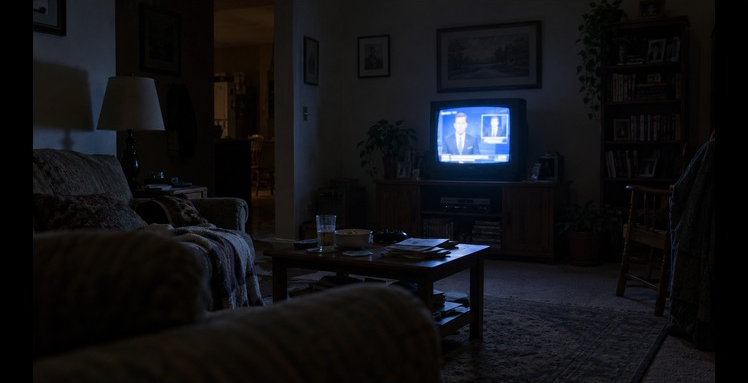
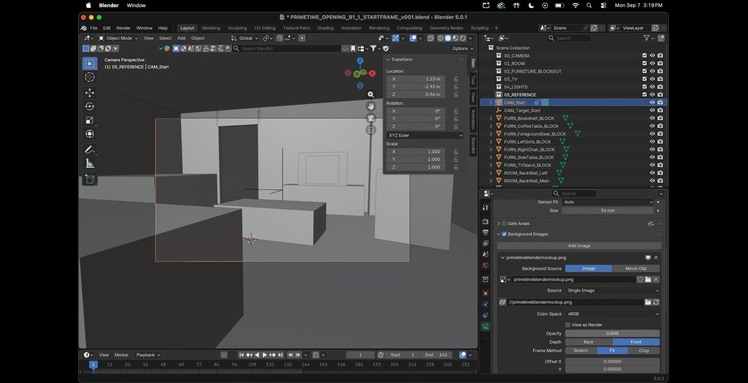
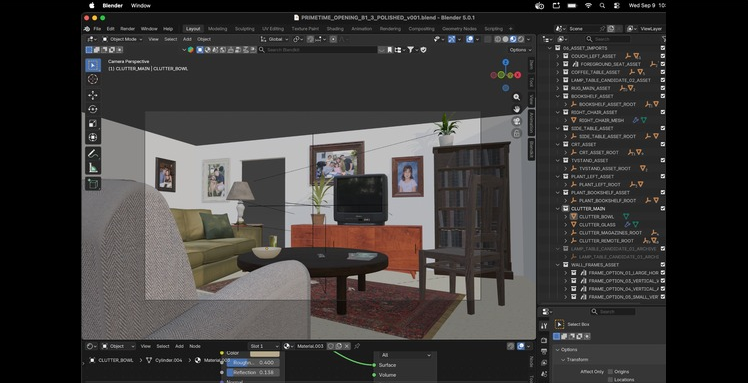
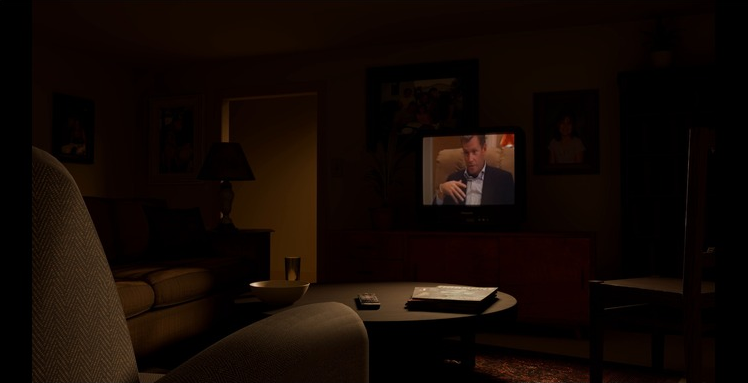
Visual target → blockout → asset integration → final opening. The target is a reference, not a claim of original photography.
Directing the CRT approach
I directed a 33 mm camera approach with a hold, slight recentering, patient push and gentle arrival. The television gradually becomes the destination. Codex assisted with camera-keyframe implementation and validation; I directed, reviewed and iterated the move.
A moving 480 × 360 broadcast image sits behind separate curved CRT glass. Emission, reflections, falloff and glow connect it to the room rather than treating it as a flat overlay. I kept the screen treatment restrained so that a small disturbance would matter. These selected views compare framing; they are not a timestamped camera sequence.
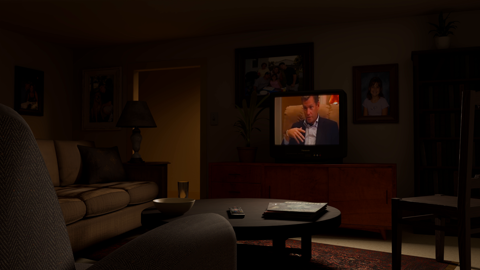
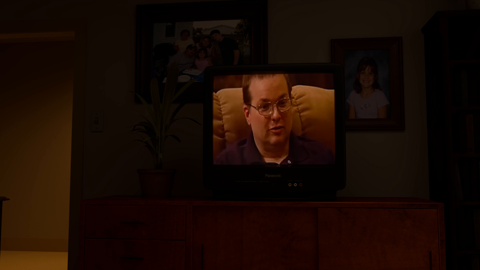
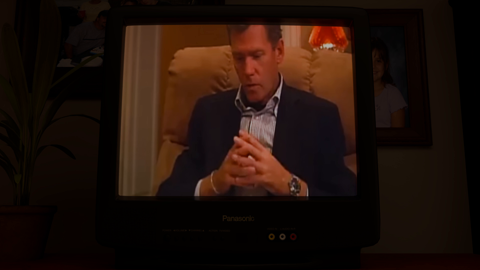
Selected compositions, not a chronological timeline. Full sheet includes additional views and a black tile.
Solving the handoff
I compared a direct hard cut, analog glitch and bloom/signal collapse. The quieter solution won: a hard cut with a moment of signal instability. The performances and dialogue could carry the connection; a larger effect competed with it. After the handoff, faster picture editing could build intensity against the opening’s patience.
I composed the piano in GarageBand and shaped sound around dialogue, room texture, electrical accents and silence. The Mac-authored Blender opening was prepared for Windows Cycles/OptiX rendering with Codex-assisted packaging and checks. Its 382 consecutive 16-bit PNG frames form the opening sequence—not the entire film. I integrated that sequence in After Effects, completed the composite and editorial/sound finish, then delivered ProRes and H.264 versions.
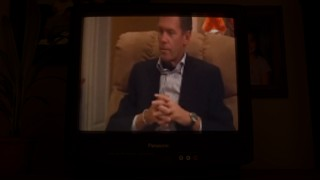
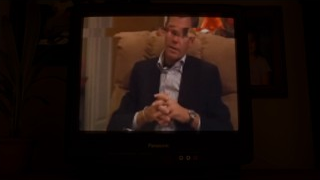
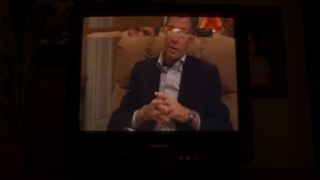
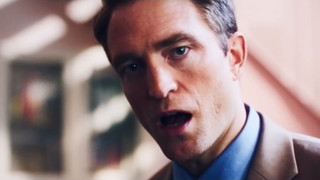
Four selected moments from the source sheet’s 15.20–16.30 s interval. Times are the original sheet labels.
Credits & contributions
Cooper Robillard. Concept and creative direction; source selection and editing; original piano; sound design and treatment; custom room/blockout; environment assembly, set dressing, materials and lighting; camera direction and CRT treatment; compositing, finishing and delivery.
Assistance & sources. ChatGPT/Codex: creative and technical guidance, camera-keyframe implementation, scripting, render packaging and technical validation. Furniture, models, props, textures, footage, dialogue and sound effects include third-party sources.
Independent, unofficial portfolio concept. Not commissioned by or affiliated with A24, the filmmakers, NBC/Dateline or other rights holders. Source film and broadcast footage remain their owners’ work.